Feeds:
Posts
Comments

A couple of reminders for you today:


Office Hours with Artist and Teacher, Mark Granlund

Mark Granlund will host office hours for the first time this evening. Ask him questions about the process of learning traditional botanical art online. Go to the Ask Mark tab above any time this month and post your question(s) in the comment box. Check-in every Thursday evening to read Mark’s replies to your questions and comments.


Lydia Inglett’s “Anatomy of a Book” Class is Tuesday!

If you’ve entertained thoughts about writing a book, but don’t have a clue how to begin thinking about image selection, editorial content, page design, printing requirements, and marketing, you’ll want to attend Lydia’s online class. Want to know how much a book can cost? Lydia will discuss numbers with you. Want to know how to prepare digital files for publication? Lydia will tell you. In today’s world of technology, is “paper marketing” worth the effort? Find out on Tuesday.

Lydia has over 30 years of experience in the book industry. Learn from her today!

Moments in Time: A Botanical Exhibition of Habitats and Species
Leighton Art Centre, Gallery and Museum

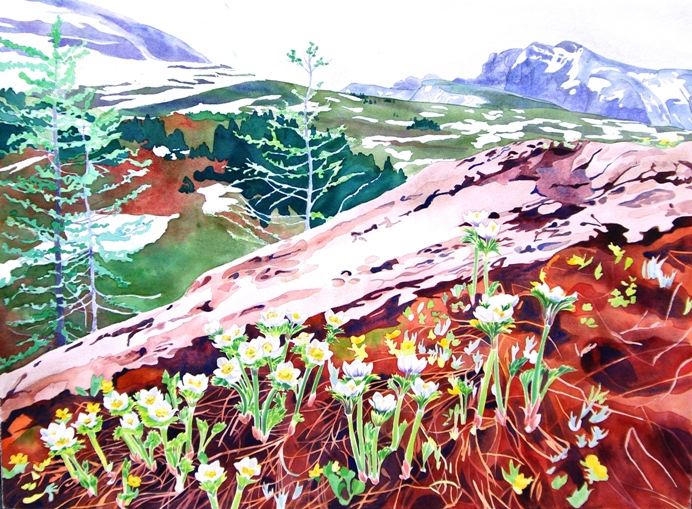
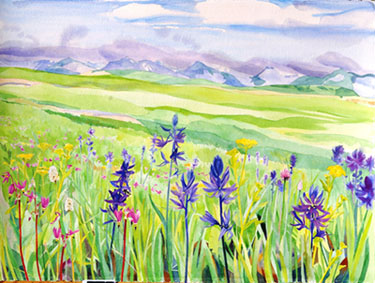
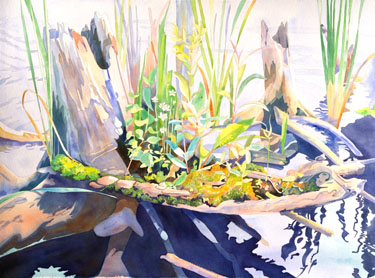
Botanical artist, Rayma Peterson, is one of three artists whose work is now on view at the Leighton Art Centre, Gallery and Museum. Sixteen of Rayma’s paintings capturing the plants of Alberta’s foothills, mountains, and wetlands in their native habitats will be on display through July 31, 2010. When asked how she documents plants in their natural environment, Rayma replied:

Exploring and botanizing in the spring, summer, and fall are my favorite activities. I look for close up scenes that almost jump out at me with their uniqueness and beauty, and try to share my visual experience of these scenes with the viewer. I want to show people the exquisite beauty that is underfoot in western Canada. I also take pains to ensure that the painting is botanically correct; that is, I only show plants growing together that would normally do so in a given habitat. I enjoy painting flowering plants, but also enjoy depicting their more humble relatives that may be easily overlooked, such as fungi, lichens, mosses, and even algae. My favorite habitats are calcareous springs and fens, foothills, grasslands, sub-alpine and alpine areas, wetlands, and tide pools.

I sometimes paint a habitat with my botanical subject prominent, and leave a white or very faint background towards the top. Thus I combine the habitat painting with the plant portrait to create my own style or genre. I will explore an area, taking extensive photographs, composing with my camera. Later in the studio, I combine elements and plants from various photographs, as long as they could be found in close proximity with each other in a microhabitat.

Rayma has a BSc. in botany and a BEd. in art and science. She has spent much of her life in the field, primarily in central and western Alberta. Her work is featured in Today’s Botanical Artists, by Cora B. Marcus and Libby Kyer (2008), as well as in Trees of Wagner Natural Area by the Wagner Natural Area Society, text by Patsy Cotterill (2010).

New updates at Classes Near You > Virginia:


Linda C. Miller

http://lindacmiller.blogspot.com
Based in Virginia, Miller is a talented, experienced botanical artist and a member of The American Society of Botanical Artists. Visit Linda’s blog to view examples of her work and to learn how she began her career as a botanical artist.

  • Art in the Park: Three-Day Nature Sketching and Journaling Workshop – Saturdays, September 25, October 2 and 9, 2010;
    10:00 AM – 3:00 PM. Develop your own approach to drawing in this workshop that will help you observe and draw the natural world. The first day of class will be at the Quarter Path Recreation Center. The remaining two days will be out in the field at Waller Mill Park. Open to artists of all levels of experience (18 years & older; children under 12 must be accompanied by an adult). Cost: $75. Registration closes April 14, 2010. Please register at Waller Mill Park or by calling (757) 259-3778. View course itinerary and materials list here.

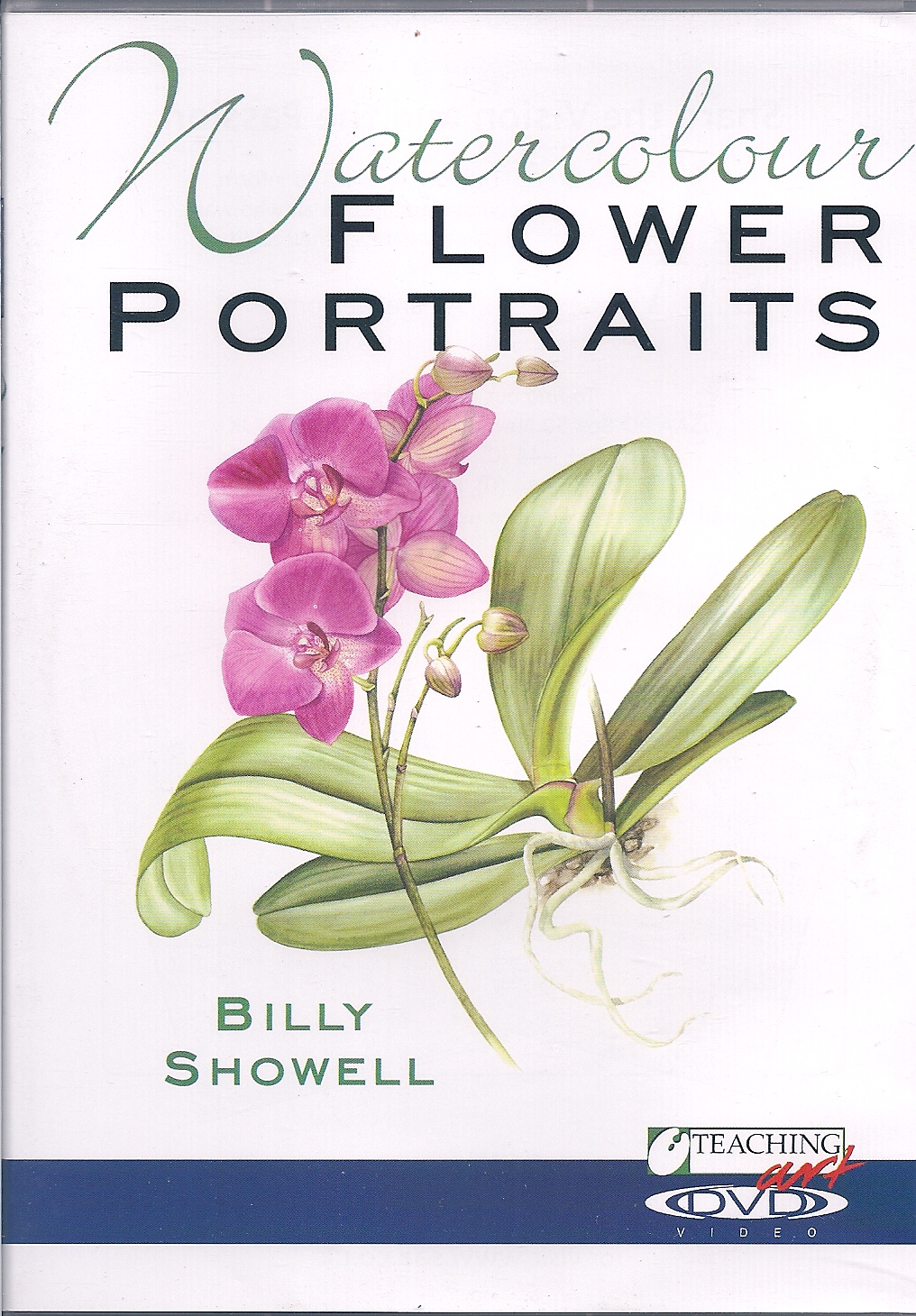
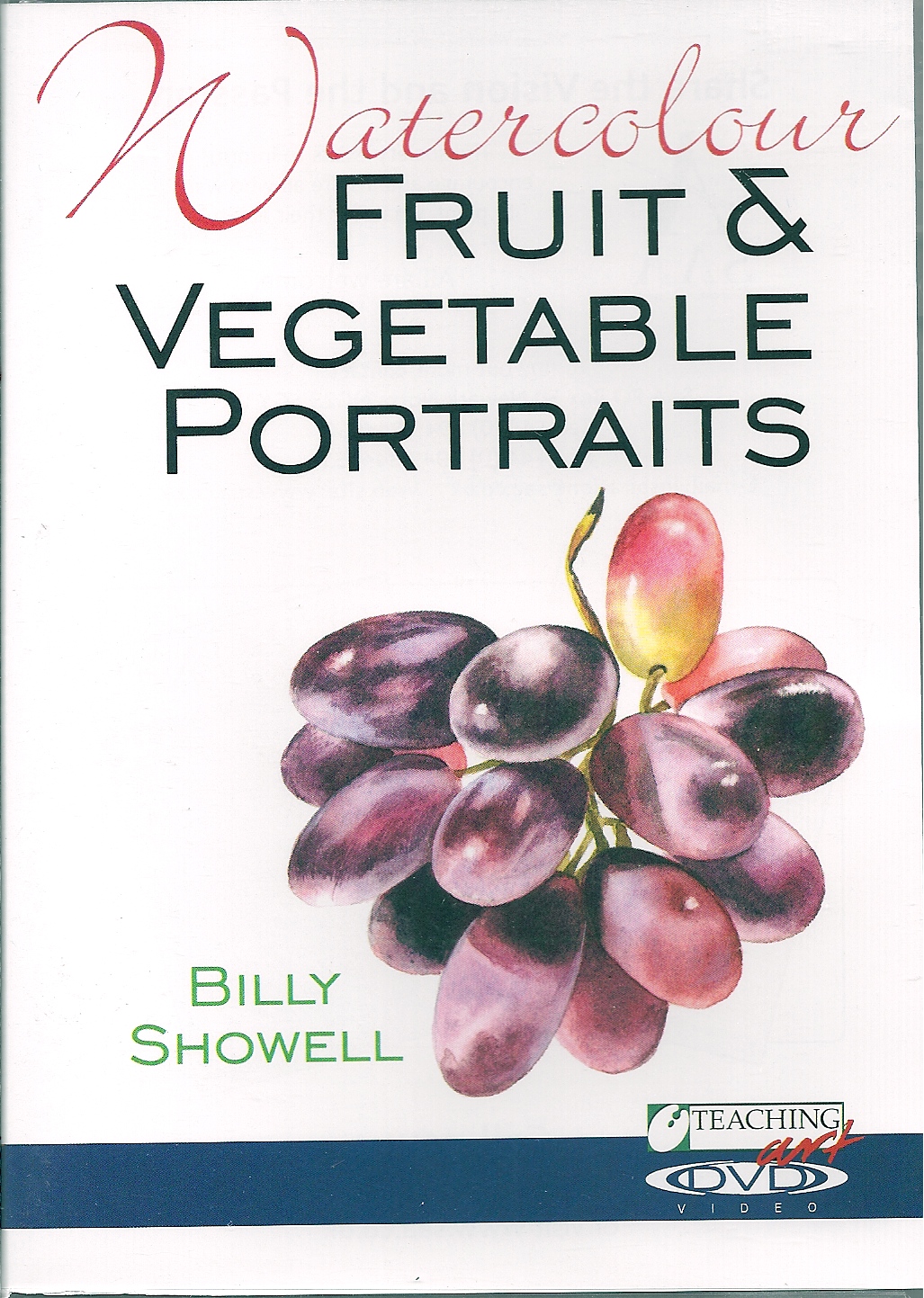
Billy Showell is known for her attention to detail and the wonderful step-by-step instruction she provides in her books. When Billy published Watercolor Flower Portraits and Watercolor Fruit & Vegetable Portraits, she created instructional DVDs to go with each book. Billy’s Watercolor Flower Portraits DVD and Watercolor Fruit & Vegetable Portraits DVD are now available at ArtPlantae Books.

In Watercolor Flower Portraits, Billy provides 120 minutes of instruction and demonstrates the watercolor techniques she uses to paint a tulip, an Arum Lily, and a Phalaenopsis orchid. She also provides tips about how to compose a painting.

In Watercolor Fruit & Vegetable Portraits, Billy demonstrates how to turn a sketch into a finished painting. See how to use strong colors to paint an apple, how to maintain light areas when painting red grapes, how to create form on a turnip, and how to add texture to bean pods.


NOTE:
*** These DVDs are in the PAL format and are viewable on a computer that reads DVDs. They are not viewable on a DVD player hooked up to a television set. ***


You May Also Like
:

When the botanical art program at the Como Park Zoo and Conservatory in St. Paul, MN ended late last year, it marked the end of arts programming at the conservatory. Mark Granlund began the art education program there and taught in the program for 15 years. This event could have been the end of botanical art instruction for Mark, but instead was opportunity in disguise. During the last week of class, Mark received an email from a woman in British Columbia, Canada asking if Como’s classes were taught online. Mark entertained the idea and began investigating what it would take to teach a botanical art class online. Curiosity turned into action. Mark developed an online curriculum and launched his new course this past Spring. The pilot course went well and the second class is also going well. How did he do it?

Mark drew upon the classroom experiences he had while teaching at Como. This helped him figure out the format of the class. To bring his traditional classroom curriculum online, he had to break activities down and breakdown the stages of the drawing process. By doing so, he identified the bits of information he could explain as text and the elements of his class that could only be taught through demonstration. This analytical evaluation of his classes resulted in a drawing course for beginners incorporating the combined use of video demonstrations, quizzes, critique sessions, and a class blog.

To teach online, Mark had to change his approach to teaching. Because he could no longer respond to questions in-person, he had to write everything down and deliver his information to students in advance. He spent a lot of time breaking things down into small steps — a lot of time. While incredibly time-consuming, he enjoyed the process. Mark says he likes that he can provide links and various resources to his students; resources he might not have provided to students in his classes at Como. Connecting students to a variety of resources helps to counter-balance the lack of face-to-face classroom interaction.

Mark uses Moodle to create his online classes. Moodle is a course management system designed specifically for online courses. The technical issues he has had to troubleshoot have been primarily PC vs. Mac issues. Students like the Moodle platform and find it easy to navigate.

Assessing student work is done efficiently through the Class Portfolio into which students upload their work. Mark can offer feedback on an individual basis through the class portfolio. There is also a Class Forum where students can ask questions of Mark and their classmates. The forum provides a learning environment like that of a physical classroom. Students can also participate in live chats, however neither class has taken advantage of this feature. Student schedules vary so much that chatting live has not been possible.

Student scheduling is one element of an online class that has proven to be difficult to manage. When students enroll in a traditional botanical art class, they participate according to a set schedule. In an online class, students participate when they can. The luxury of flexibility can be an issue sometimes. But as with traditional classroom learning, life happens and if a student has to miss a class or postpone participation, both Mark and his students roll with the changes. Mark tells his students he will always be available to answer their questions, even if they do not finish a class with their classmates. The nice thing about an online class is that students always have information available to them and have the resources to catch-up on their own.

When asked about the biggest difference between an online class and a traditional class, Mark cites accountability and student interaction as the biggest differences. Accountability and interaction occur at a different pace online. Everyday he struggles with these two questions: How do you get people to engage? How do you coax the people on the edge to interact?

Another difference between online and traditional botanical art classes is advertising. With an online class, Mark does not have to print flyers and drive all over town to post them onto bulletin boards. He advertises his classes on his blog and through social media channels.

Mark’s current drawing class for beginners is almost complete. During summer, he will continue writing curriculum for the intermediate drawing class he will teach in September. This class will be followed by a watercolor course for beginners in mid-Fall. Mark’s advanced drawing class will begin in 2011. Details about Mark’s classes will be posted in Classes Near You > Minnesota when they become available.


Office Hours with Mark Granlund

Do you want to learn more about Mark’s online classes? Mark will respond to your questions directly through ArtPlantae Today. Enter your questions or comments below and check the “Notify Me” box so you can follow the conversation about Mark’s classes as it develops. Mark will respond to questions every Thursday evening through the month of July. So if you don’t have a question today, you will have the opportunity to ask your question anytime during this month.


About Mark Granlund

When Mark is not working tirelessly creating his new classes, he is beautifying the city of St. Paul, MN as the Arts & Garden Program Coordinator. In this position, Mark tends to 150,000 square feet of public gardens, 60 public sculptures, and 570 hanging baskets. He also works as a liason between government agencies and community groups. Mark is currently assisting in a project that will bring healthy, locally-grown food to the residents of St. Paul. He is also involved with the Blooming St. Paul project dedicated to greening up neighborhoods and the installation of public art. One of his projects is related to a light-rail line that will connect downtown St. Paul to downtown Minneapolis. This rail line will run down a major street and its construction will be very disruptive to the area. Mark is working with other groups to turn this huge disruption into a positive experience by creating planted medians and a sustainable landscape around the finished rail line.

Mark’s most engaging project at this time is writing and illustrating The Book of Bartholomew. This book is a collection of short stories about young adults and their experiences managing careers and relationships. Mark is posting a sentence or snippet of his book daily on the his Facebook page. When the book is released, readers will be able to view the short stories in their entirety. The book has been designed to be an online experience. When the book’s website launches, a new short story will be unveiled every two weeks. The overall theme of the book is about supporting local artists and local growers. Mark is working on The Book of Bartholomew with five other artists. An exhibition about this book will be held at Homewood Studios, October 1-18, 2010.
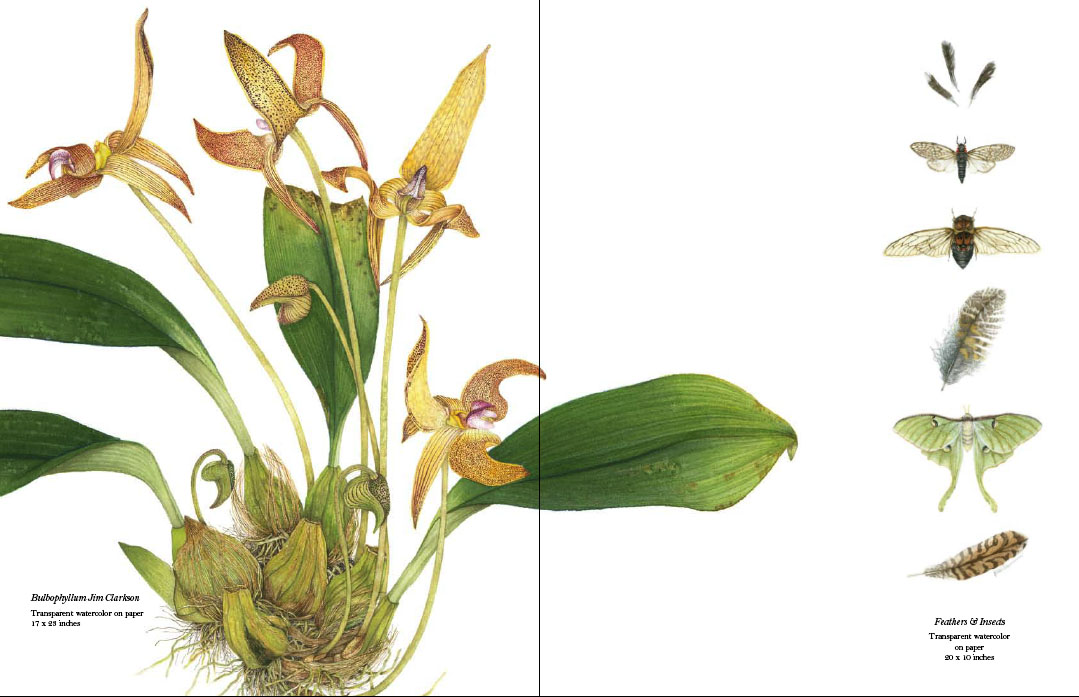
When she was a little girl, Pam Kessler‘s father taught her how to look at plants. These innocent observations sparked an appreciation for nature in the young naturalist and marked the beginning of a career as an accomplished botanical artist. Pam’s paintings are in private and public collections such as the Hunt Institute for Botanical Documentation and the Shirley Sherwood Collection. Fortunately for us, a collection of Pam’s plant portraits and natural history paintings is now available in a format we can all enjoy. Pam’s detailed watercolor paintings of orchids, primroses, beets, onions, gourds, insects, feathers, and nests are featured in her new book, Response to Nature: Botanical Watercolors 1972-2010. Most of the plant portraits in this book are of orchids. Pam’s orchid paintings contain excruciating detail from the markings on the flowers, to the patterns on the leaves, to the painted plant labels written in pencil. Even plant stakes and twist ties have not gone unnoticed.

Pam’s book was designed and published by Lydia Inglett, Ltd.

Signed, limited edition copies of Response to Nature: Botanical Watercolors 1972-2010 can be purchased at ArtPlantae Books for $60.

The botanists and botanical illustrators who have worked tirelessly to document rare plants in the Grand Canyon will share their work with the public beginning Friday July 2, 2010. Fifty drawings and paintings will be on view at Kolb Studio on the Canyon’s South Rim.

This exhibit is already receiving a lot of attention. It can be found in the Travel section of the Arizona Republic newspaper and is online at azcentral.com. It is also in the Summer 2010 issue of the South Rim Guide, one of the newsletters published by the U.S. National Park Service. An article about the Grand Canyon’s herbarium is also in the current issue of The Guide. This article provides insight to the accomplishments of former park botanists and links their accomplishments to the research projects of current botanists and botanical illustrators.

The Phemeranthus validulus (Tusayan Flameflower) by botanical artist, Joan LaMoure, is the signature piece for the exhibition. This painting, as well as the drawings and paintings of other participating artists, will illustrate a new edition of a field guide dedicated to the special status plants of the Grand Canyon.

Grand Canyon’s Green Heart: The Unsung Legacy of Plants will be at the Kolb Studio from July 2 – August 31, 2010. Admission is free. Kolb Studio is open daily.


Related

Researchers and Artists Document Grand Canyon’s Plant Jewels