Feeds:
Posts
Comments

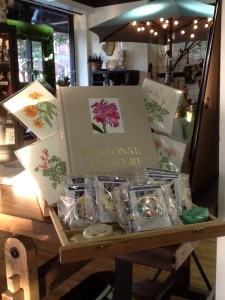
photo It’s busy here at ArtPlantae. Construction-related activities are interrupting the regular flow of things.

The online store will stay open, however online orders won’t be filled until Monday, May 6, 2013. My apologies for the inconvenience. Many thanks for your patience.

For uninterrupted shopping, please visit ArtPlantae at Aurea Vista in historic downtown Riverside, CA — especially this Thursday.

ArtPlantae’s Spring Cleaning Sale will begin during ArtsWalk on Thursday,
May 2, 2013 (6-9 pm). Enjoy a warm spring evening visiting local museums, galleries and local art studios. During ArtsWalk this month, there will also be a spring fashion show on the Main Street pedestrian mall celebrating the fashion and accessories available at downtown boutiques. The expected high for Thursday is 93 degrees, so plan for a wonderful, relaxing and warm ArtsWalk evening!


Aurea Vista is located at 3498 University Avenue in Riverside on the corner of Lemon and University. Hours: Closed Monday, Tuesday-Saturday (11-7), Sunday (11-5). Store hours are extended for Riverside’s monthly ArtsWalk and other special events.

Parking: Free customer parking is available across the street in the parking lot with the ballet mural. Aurea Vista customers can park in spaces #1-8 that face University Avenue. Street parking is free after 5 PM Monday-Friday. Street parking is free on Saturday and Sunday.

An analysis of outdoor activities by Deborah J. Chavez, a specialist in outdoor recreation research, suggests this to be the case.

Chavez writes about student reactions to selected outdoor activities in Youth Day in Los Angeles: Evaluating the Role of Technology in Children’s Nature Activities.

The Youth Day activities described in Chavez (2009) include two technology-dependent activities and two activities in which technology did not play a role. The format for each activity was the same. Each activity was designed to have a 5-minute introduction, a 30-minute activity, a 15-minute wrap-up, and a 10-minute transition to the next activity. Youth Day participants ranged in age from 6-17. Thirty-eight youth from the Los Angeles area were divided into eight groups and rotated through each activity on a pre-planned schedule designed by Chavez. Two trained facilitators were assigned to each group. Observers were stationed at each activity to record participant’s reactions and comments.

Here is a brief review of the Youth Day activities described in Chavez (2009):

    Technology-Dependent Activities

    Camera Safari:
    Participants took photos of things that interested them as they walked along a nature trail. Photos were printed and categorized for analysis.

    Geocache:
    Participants looked for hidden treasure along a nature trail using GPS units.


    Technology-Free Activities

    Etchings:
    Participants completed rubbings and created etchings.

    Nature Scavenger Hunt:
    Participants received a list of natural items to look for along a trail.

Each activity was evaluated by participants, observers and facilitators. Participants rated each activity using a color-coded rating system where a Green rating meant participants liked an activity, a Yellow rating meant participants thought an activity was “OK” or that they were undecided about their opinion of an activity. A Red rating meant participants did not like an activity.

The technology-dependent activities received the highest approval ratings from participants — Geocache (92%), Camera Safari (86%). The Nature Scavenger Hunt and the Etchings activity received approval ratings of 76% and 62%, respectively. These results, in addition to the thorough notes and feedback of facilitators and observers suggest that using technology in outdoor nature activities may be a good way to encourage young people to engage with nature.

To read a full analysis of Youth Day, including a review of background literature related to outdoor education, how Chavez designed Youth Day, and Chavez’s helpful discussion of planning and logistical issues for informal science educators interested in conducting similar one-day events, look for Chavez (2009) at an institution that subscribes to JSTOR. Conduct a search by country on JSTOR’s website. Alternatively, you can subscribe to the journal Children, Youth and Environments for access to all back issues of this journal.


Literature Cited

Chavez, Deborah J. 2009. Youth Day in Los Angeles: Evaluating the role of technology in children’s nature activities. Children, Youth and Environments. 19(1): 102-124


You may also enjoy reading…

Outdoor Education, Plant Awareness
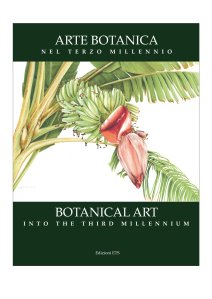
It’s Smithsonian Week in Riverside, CA and this week residents have the opportunity to learn from biologist David Wimpfheimer and scientific illustrator Alice Tangerini. The presentations below are being held in conjunction with the John Muir exhibition at the museum. All programs are free to the public.

Here is what’s coming to town this week:

    Treasures of Yosemite
    TODAY, April 24
    3-5 pm
    Learn about the origins of Yosemite National Park and current conservation efforts to preserve the park’s diverse plant and animal life.


    Botanical Illustration Demonstration

    Thursday, April 25, 2013
    3-5 pm
    Alice Tangerini is the scientific illustrator in the botany department at the Smithsonian National Museum of Natural History. Stop by the museum to meet with Alice and to learn how she creates illustrations for Smithsonian botanists.


    To Reach Perfection – The Challenge of Botanical Illustration

    Thursday, April 25, 2013
    7:00 – 8:30 pm
    During this evening presentation, Alice will discuss how her work as a scientific illustrator supports research about plant biodiversity and conservation.

Visit the Riverside Municipal Museum’s Smithsonian Week page for more information.


Related

The focus on technology, plants and art this month has been both fun and stressful. How does one even begin to blend a discipline as ancient, traditional, moving and beautiful as botanical art with the bells, whistles and modern-day graphics of technology?

My mind has traveled in all sorts of directions.

Apps are easy to think about. Which apps do you use?

“Go outside” my brain said. Think sun, fresh air. Think adventure.
Get that GPS article!

That “GPS article” I am referring to is Backyard Botany: Using GPS Technology in the Science Classroom by Ph.D. candidate Kathryn A. March.

In her article, March shares how she has used Global Positioning System (GPS) units to teach students about plants in informal settings. Her paper is fantastic and I recommend it highly.

March incorporates GPS technology in plant-based learning activities for middle and high school students. In her paper she explains how GPS activities can help teachers address Standards and how they can address issues related to plant blindness. The lesson plan in March (2012) is an activity that calls upon students to create a field guide to trees.

Educators are given all the information they need to conduct this activity themselves. March (2012) provides a list of materials and background information, recommends procedures, suggests an assessment tool, suggests an alternative activity if you can’t afford GPS units and suggests many alternative lesson ideas — one of which involves navigating students to plants so they can draw what they see.

To obtain a copy of March’s article, purchase a copy from JSTOR ($14)
or visit your local college library.


Literature Cited

March, Kathryn A. 2012. Backyard botany: Using GPS technology in the science classroom. The American Biology Teacher. 74(3): 172-177.


Do you use GPS technology in conjunction with botanical or scientific illustration? Tell us about your project in the Comment box below.


Related

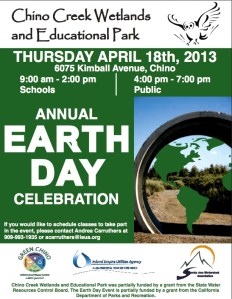
chinocreekearthdayThe annual Earth Day Celebration at Chino Creek Wetlands and Educational Park will be held tomorrow from 4-7 PM. Located in the city of Chino in southern California, this event will include environmental exhibits, free giveaways, hands-on activities and performances.

This event is co-hosted by the Inland Empire Utilities Agency, the City of Chino and the Santa Ana Watershed Association.

Organizations participating in this celebration include: ArtPlantae, Rancho Santa Ana Botanic Garden, Inside the Outdoors, the Inland Empire Resource Conservation District, plus many other organizations dedicated to environmental awareness. See you there!

Directions to Chino Creek Wetlands and Educational Park

This weekend the Wood Streets Green Team in Riverside will host its annual How-to-Garden Tour in partnership with the Riverside Community College Eco-Fair. This special event will occur on Sunday, April 21, 2013.

The RCC Eco-Fair will be held on campus from 11 AM – 2 PM and will feature local organizations dedicated to sustainability and environmental awareness. The garden tour will highlight three private gardens and the new community garden at Riverside Community College. The garden tour will be held from 11 AM – 4 PM. Tickets can be purchased at the tour sites (a donation of $5 is suggested).

The Wood Streets neighborhood in Riverside is located south of historic downtown Riverside, home of the beautiful Mission Inn. The Wood Streets Green Team is composed of Riverside residents dedicated to promoting sustainable living in Riverside.

More than 20 local groups will take part in the RCC Eco-Fair.
Exhibitors include: ArtPlantae, Child Leader Project, community garden groups, Growcology, Habitat for Humanity Riverside, Riverside County Waste Management Master Composters, Santa Ana Watershed Association, and the Western Municipal Water District.

The RCC Eco-Fair will be held under the covered walkway between the Math and Science Building (#12 on map) and the new community garden. Parking will be available in the lot on the corner of Magnolia Avenue and Ramona (see map).

Directions to Riverside Community College
Download campus map

earthNight_Flyer_Web The popular Earth Night in the Garden event hosted by the Western Municipal Water District in Riverside will be held on Earth Day, April 22, 2013.

Thirty-three organizations will take part in this free family event that will include hands-on activities, face painters, puppet shows and more.

Exhibitors include:
ArtPlantae, Forest Council, Gates Cactus & Succulent Society, Hidden Valley Nature Center, Leave No Trace, Riverside Metropolitan Museum/Heritage House, Southland Solar SunPower, UCCE Master Gardeners, and UCR California Invasive Plants.

Earth Night in the Garden will be held at Landscapes Southern California Style, the water district’s demonstration garden located at the corner of Alessandro Blvd and Mission Grove Pkwy (click image to see map). This event begins at 3:00 PM.