A new class about tree identification and care will begin at the Los Angeles County Arboretum and Botanical Garden this Saturday.
Here is what’s new at Classes Near You > Southern California:
What Tree Is That?
Dr. Jerrold Turney, Instructor
Bamboo Room: 10am – 12noon
Learn the trees of southern California in this four-session class with plant pathologist and arborist, Dr. Jerrold Turney. Participants will learn about 60 trees, 21 of them this Saturday! A one-hour lecture will be followed by a walk in the Arboretum during which participants will learn how to identify the trees they just learned about in lecture.
Pre-registration preferred, but you may register at the door. Please call the Class Registration line at 626.821.4623.
Cost: $25 Members/$30 Non-Members (includes Arboretum admission)
View Details/Register
Meeting Dates
- Saturday, February 2
- Saturday, March 2
- Saturday, April 13
- Saturday, May 11
And don’t miss…
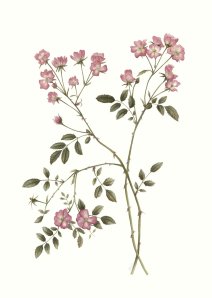
Colored Pencil in Botanical Art with Cristina Baltayian
Learn the colored pencil techniques used by botanical artists. Special topics to be explored in 2013 include: water-soluble pencil techniques, solvents, colored pencil sticks, pen & ink with colored pencil, composition. All levels of experience are welcome. Students will receive a supply list. Registrants may bring a lunch or buy lunch at the Peacock Cafe.
Dates for 2013
February 5, 12, 19, 26
March 5, 12, 19, 23
April 2, 9, 16, 23
May 7, 14, 21, 28
June 4, 11, 18, 25
July 2, 9, 16, 23
10 AM – 2 PM (includes lunch break)
$255/mo. Arboretum members per month
$275/mo. Non-members per month
Pre-registration required; please call (626) 821-4623
Cristina Baltayian is a botanical artist with a background in drawing (graphite, charcoal, pen & ink), two-dimensional design, watercolor and colored pencil. Her work has been shown at Filoli, the Los Angeles County Arboretum and Chapman University. She is a member of the Botanical Artists Guild of Southern California and the American Society of Botanical Artists.


 ArtPlantae Today